Now that I’ve spent these past few weeks discussing a few aspects of the Taino-Lucayan diet and cooking techniques uncovered at Palmetto Junction, I want to discuss something that comes up in every kitchen around the world: seasonings.
No matter the cuisine, spices and seasonings are incredibly important. Some of them are even necessary for our survival providing critical vitamins and minerals that we as humans need to intake since we can’t create these nutrients on our own. One of these vital minerals is salt.
Humans need salt. One of the reasons why we crave foods like potato chips and beef jerky is because our bodies are telling us that our sodium levels are low and we need some salt, fast. When dehydrated, drinking something with a high sodium content like Gatorade or adding an electrolyte pack to water helps our bodies absorb moisture and get the sodium we sweat out back.
During our dig, we were encouraged to add salt to everything we ate. We over-salted our dinners, we added electrolyte powders to our water bottles, and we ate snacks with a lot of salt. Of course for the Taino living 700 years ago, sports drinks and processed salty snacks were not available. So how did they manage to survive the intense tropical environment that is Providenciales?
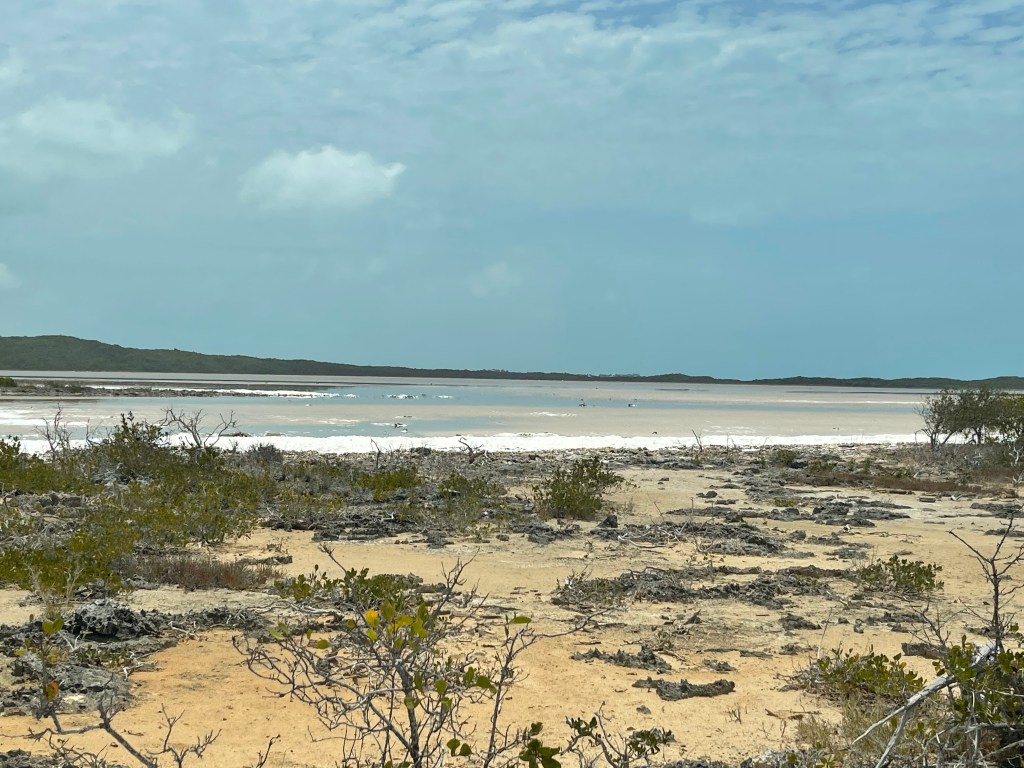
Well, Palmetto Junction happens to be perfectly positioned to be close to virtually every marine ecosystem in existence. A little ways down the road from our excavation site was a large salt flat.
After Dr. Sinelli and I had discussed and decided that I would be preparing food in the manner of the Taino, he suggested we go all in and try to gather as many Indigenous ingredients as possible to try and faithfully reproduce at least some semblance of an actual dish. While that didn’t end up happening simply due to time constraints and the level of trouble we got into trying to collect all the ingredients it was a fun attempt. One I would like another chance at recreating in the future.
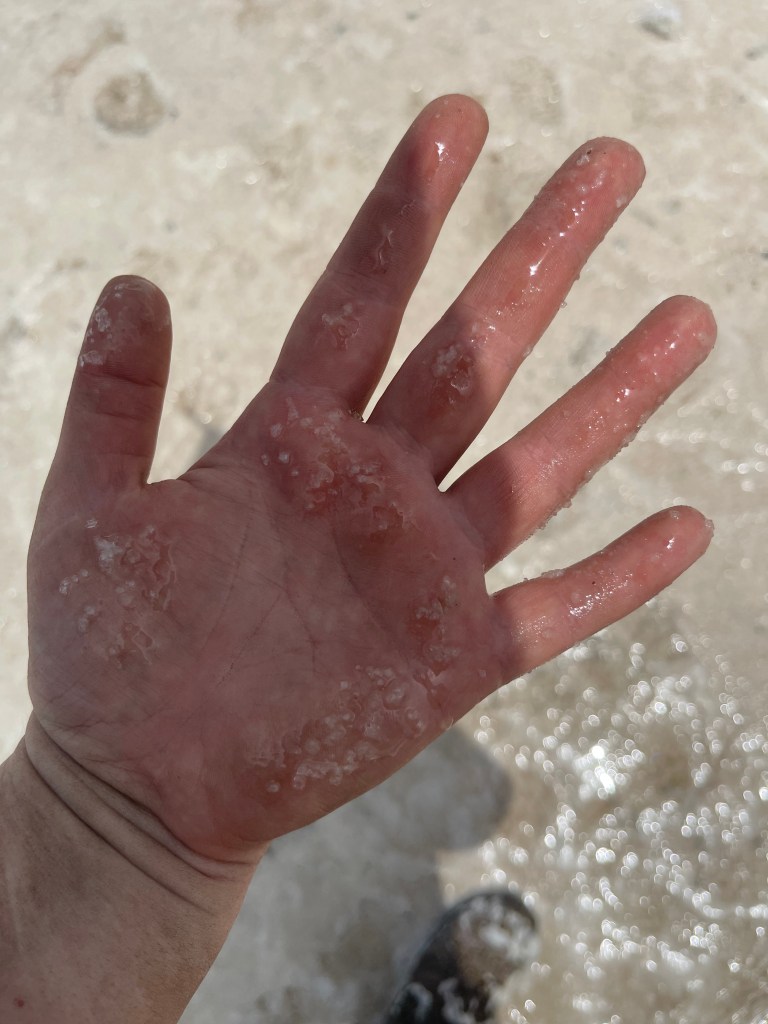
Anyways back to the salt flat. The Turks and Caicos Islands have a long history of being known for producing some of the best salt in the world. According to the Turks and Caicos government website salt was a massive industry throughout the prehistoric era and into the 18th century. Dr. Sinelli even said that the salt from TCI supplied the entire American colonies before the American Revolution. Apparently George Washington even remarked that the salt from Turks and Caicos was the best salt in the world.
The following video was filmed by Valerie, another student on the TCI trip.
The Taino people who settled in Palmetto Junction were able to consume the salt from the fish that they ate in the nearby marine habitats. They were also able to rake the salt that collected in the flats and that could then be dried and traded for other items to populations living more inland than those at Palmetto Junction. Dr. Sinelli believes that salt may even have been traded between islands.
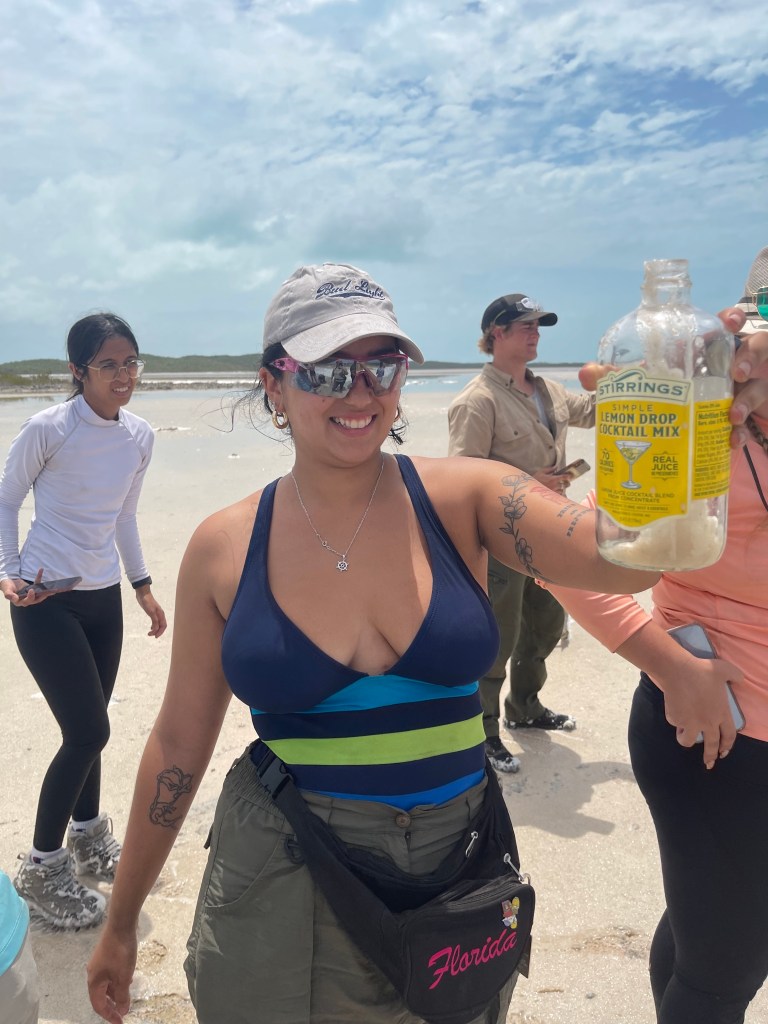
When we walked out on the salt flat, we managed to gather our own salt, but we were a little nervous about drying it and actually using it in anything we were going to consume, but the experience was definitely one of the coolest on the trip.

 Baking the Past
Leave a comment