This week I finished up another curriculum, in preparation for Election Day I was asked to make a brief curriculum surrounding the topic, “What the Presidents Ate.” At first I was a little unsure about what to focus on for the curriculum, after all we’ve had 200 years of presidents and each of them, as with all individuals, have had very different palates and have been known for different things. However, when I was at the Southern Foodways Alliance symposium last week, I picked up a book by Adrian Miller, James Beard Award-winning food historian, on African Americans in the White House. This book takes readers on a journey throughout the different administrations and time periods while focusing on how the role of African Americans shaped the diets of the Presidents and their families.
It was through this book that I was inspired to break down my curriculum into two sections (I learned from last time and I made something that’s attainable for 30 minutes):
- How has the role of Executive White House Chef changed over time?
- What role does Food have in the campaign for president?
I started my curriculum all the way back in 1789 with Hercules Posey, the enslaved chef of George Washington. I decided that I didn’t want to shy away from discussing the topic of slavery, something that I was afraid to do in my Southern Foodways curriculum and I wanted to change my language in regard to the role that slaveholding Presidents had in the perpetuation of the system of chattel slavery.
I discuss Martha Washington’s cookbook and how most of those recipes can likely be attributed to Hercules. I brought up James Hemmings and how Thomas Jefferson would send him from France back to Jefferson’s plantations to prevent him from gaining his freedom under French law. In addition to the role of slavery in the White House I discussed other topics of note, like how there were more progressive policies in the White House when compared to the Southern states surrounding it, especially during the Jim Crow era; the White House had an integrated kitchen staff throughout the 20th century. I also mentioned the current Executive White House Chef, Cristeta Comerford, who I believe is the first Filipino-American woman to hold the position.
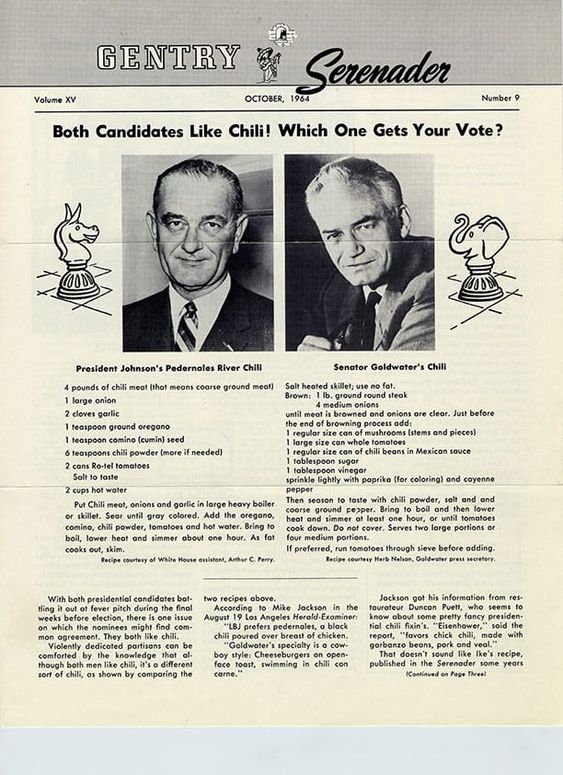
In addition to discussing the history of the Executive White House Chef, I also created a section discussing the role of food as a tool for politicians to use to sway people to their campaign. Food is seen as a relatable topic and has been leveraged for good and bad publicity and often articles are published sharing recipes or favorites of the candidates. As an example, many people believe Gerald Ford lost his second term because he took a bite out of a tamale with the corn husk wrapper still on. Conversely, Hilary Clinton gained popularity with younger demographics after being photographed during the 2016 campaign carrying a bag of Chipotle.
Preparing this class for a room of young people who work with industry professionals I thought that focusing more on the role that chefs have played throughout history would be a great way to make this class less history heavy and more a celebration for the different positions chefs hold in the professional world. Hopefully, this curriculum will make students think, make them question, and maybe make them laugh a little. We’ll see, the first class is scheduled next week.

 Baking the Past
Leave a comment